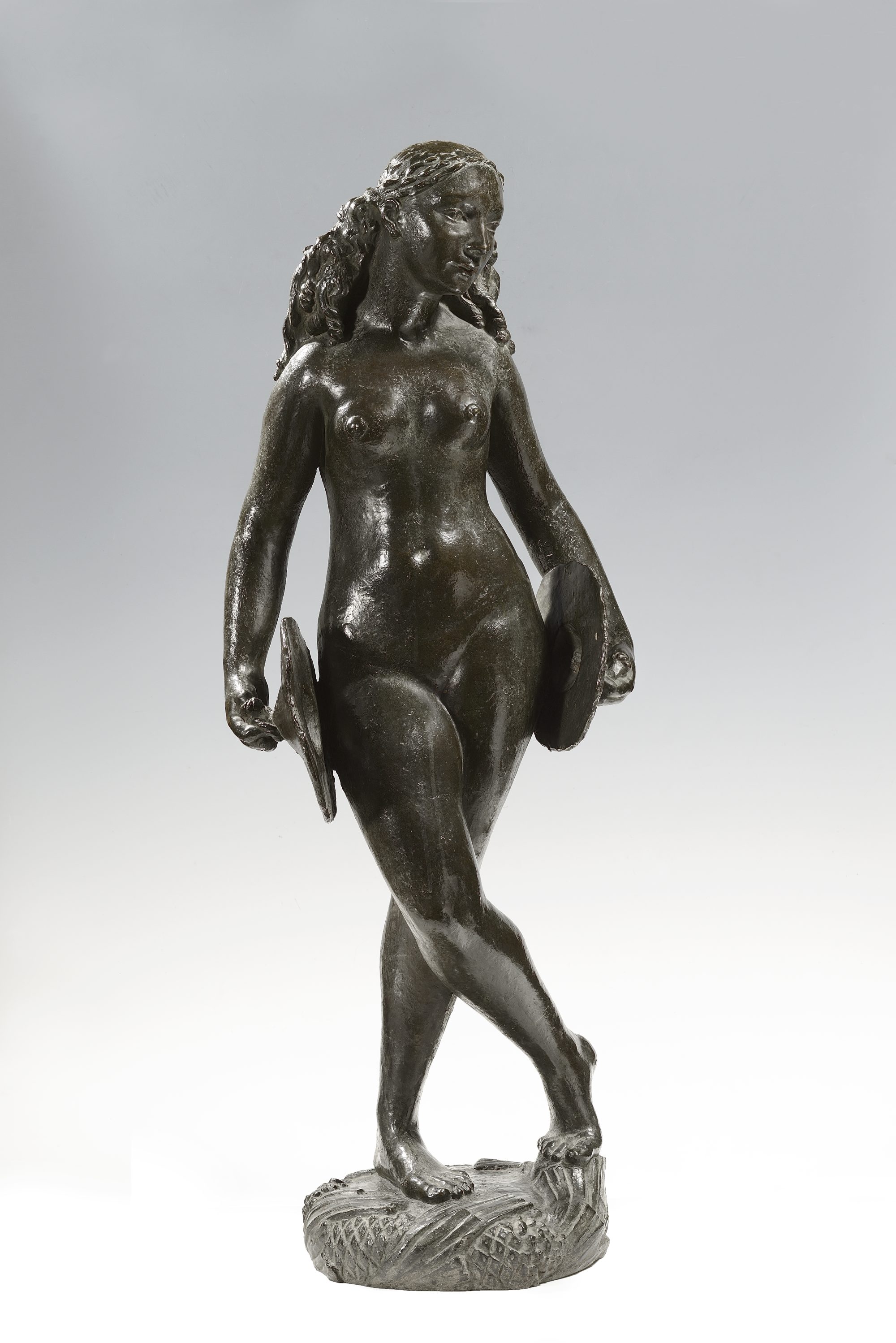
“Gordon Craig and Isadora Duncan were fascinating even from a distance. I regretted I was too young to know them personally, but I admired Gordon Craig’s woodcuts in The Mask and was dazzled by the rhythmic grace of Isadora. In the streets the blessedly free from motor traffic Isadora had the pavement to herself, a Grecian goddess moving to stately inner music.”
— Harold Acton, The Soul’s Gymnasium, IV-V.
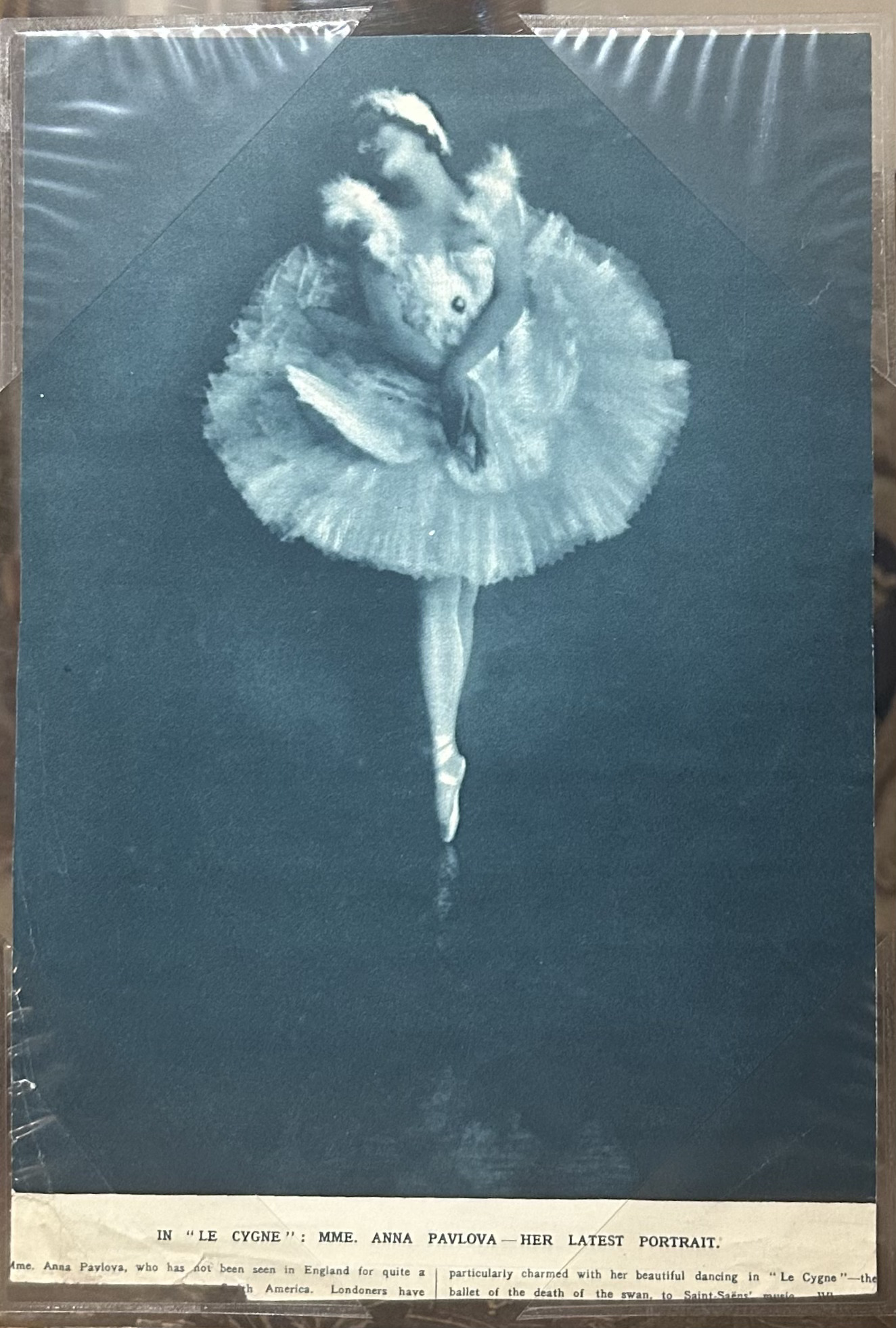
At the turn of the century, Florence was home to a large number of Italian and international artists. The city functioned as a bustling artistic hub, crowded with theatres and private venues. Several dancers and ballet companies performed in Florence during the first thirty years of the twentieth century: Isadora Duncan (1877–1927), Loïe Fuller (1862–1928), the Ballets Russes and Anna Pavlova (1881–1931) are just a few of the famous performers who visited the city (Guatterini 2023, 155). At the same time, theatre also played a significant role in Florence through the presence of notable figures such as the theatre producer, actor, and stage designer Gordon Craig (1872–1966), who settled there in 1907 (Iardino 2019, 231–41); the actress Eleonora Duse (1858–1924), who made Florence her home before the First World War; and the poet, orator, and playwright Gabriele D’Annunzio (1863–1938), who promoted the use of Fiesole’s Roman Arena as an open-air theatre from 1911 (Scarlini 2023, 110). Of all the performers who frequented Florence, the most remarkable for the Actons was probably the couple formed by Gordon Craig and Isadora Duncan.
Isadora first visited the city in 1902, when she performed at the Circolo degli Artisti Fiorentini. On this occasion, the ballerina visited the Uffizi Gallery and was astonished by Botticelli’s Primavera, sitting for days in front of the painting wishing to figure out how to translate it into dance (Duncan 1928, 113-115). In fact, the study of Botticelli’s painting and Greek art greatly influenced the development of her pioneering dance style, which was based on freedom of movement. By dancing barefoot in Classical Greek-inspired attire and imitating the movements of Greek maenads, she overcame rigid formalism, marking a radical departure from the classical ballet tradition. In 1906, Isadora returned to Florence accompanied by Craig and Eleonora Duse. While there, the dancer acted as an interpreter for Craig and Duse while they prepared their performance of Rosmersholm, which was staged at the Teatro della Pergola on 5 December 1906. At the same time, Isadora performed her Orpheus at the Circolo degli Artisti Fiorentini, a performance in which, accompanied by music from Gluck’s Orfeo, Isadora portrayed characters inspired by Botticelli’s Primavera and an angel by Ambrogio de Predis (Giubilei and Sisi 2019, 13; Guatterini 2023, 157-158).
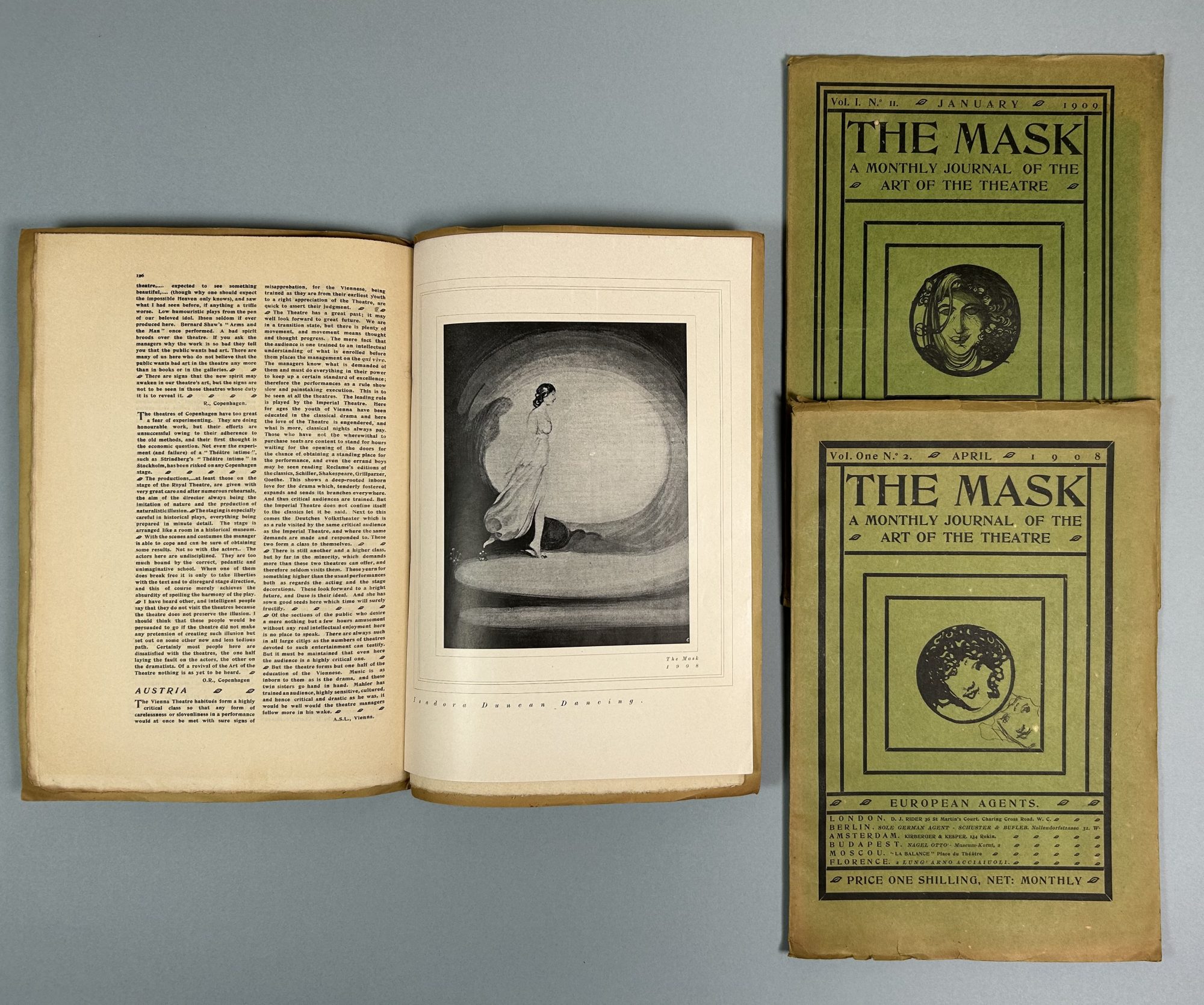
Following the performance of Rosmersholm, Gordon Craig remained in the city until 1914. While living in Florence, he founded his magazine The Mask, that articulated for the public his theatrical aesthetic. In his writings, Craig argued that theatre should not be naturalistic, but rather privilege the visual through a strong focus on light, colour, sets, costumes, and movement — an idea that was probably heavily influenced by his relationship with Isadora Duncan. The Actons’ interest in Gordon Craig, his vision of theatre, and the Florentine theatrical milieu at the time is evident from the multiple issues of The Mask held in the Library of Villa La Pietra.
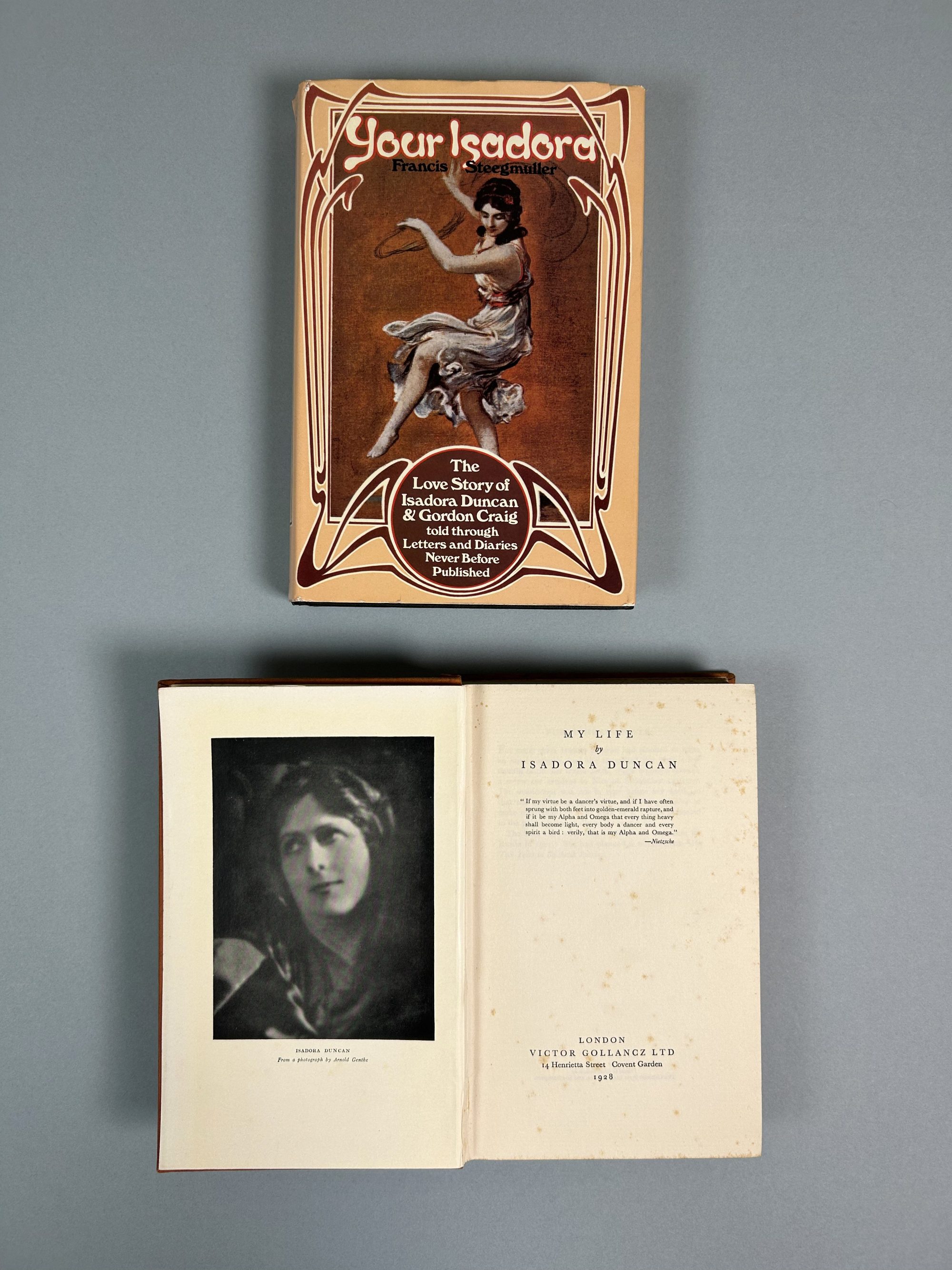
Their interest in Isadora Duncan is also evident in their library collection, which includes a first edition of her autobiography My Life featuring Hortense’s ex libris. Also Harold, as a child, remembered seeing both Duncan and Craig walking in the streets of Florence (Acton 1970, 153-154; Acton 1989, IV-V), and regretted that he was too young at the time and unable to get to know them better and talk to them. His interest in the dancer and theatre practitioner is also evident in the books he collected, including one found on the shelves of the La Pietra Library: “Your Isadora”: The Love Story of Isadora Duncan & Gordon Craig, published in 1974.
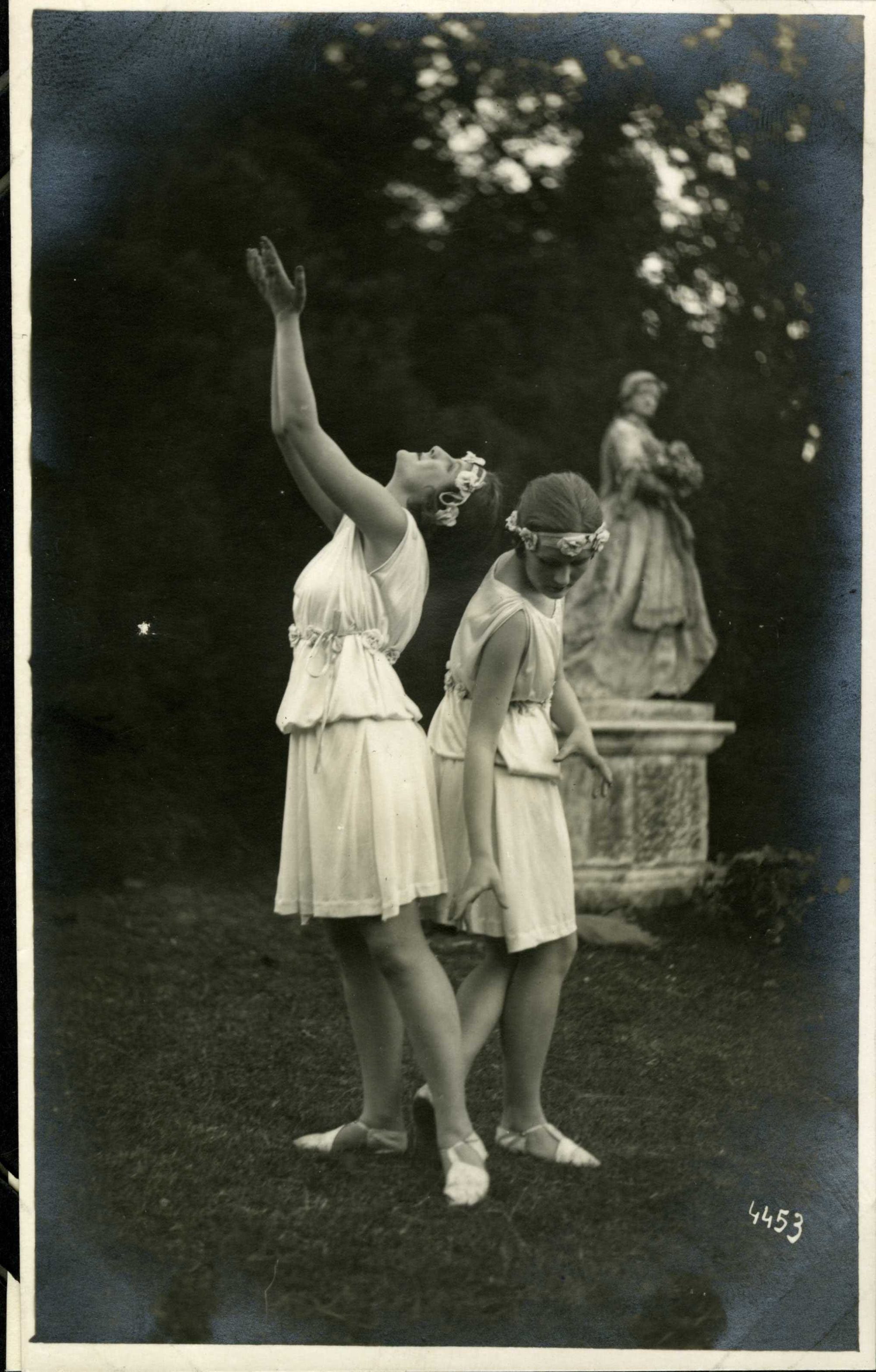
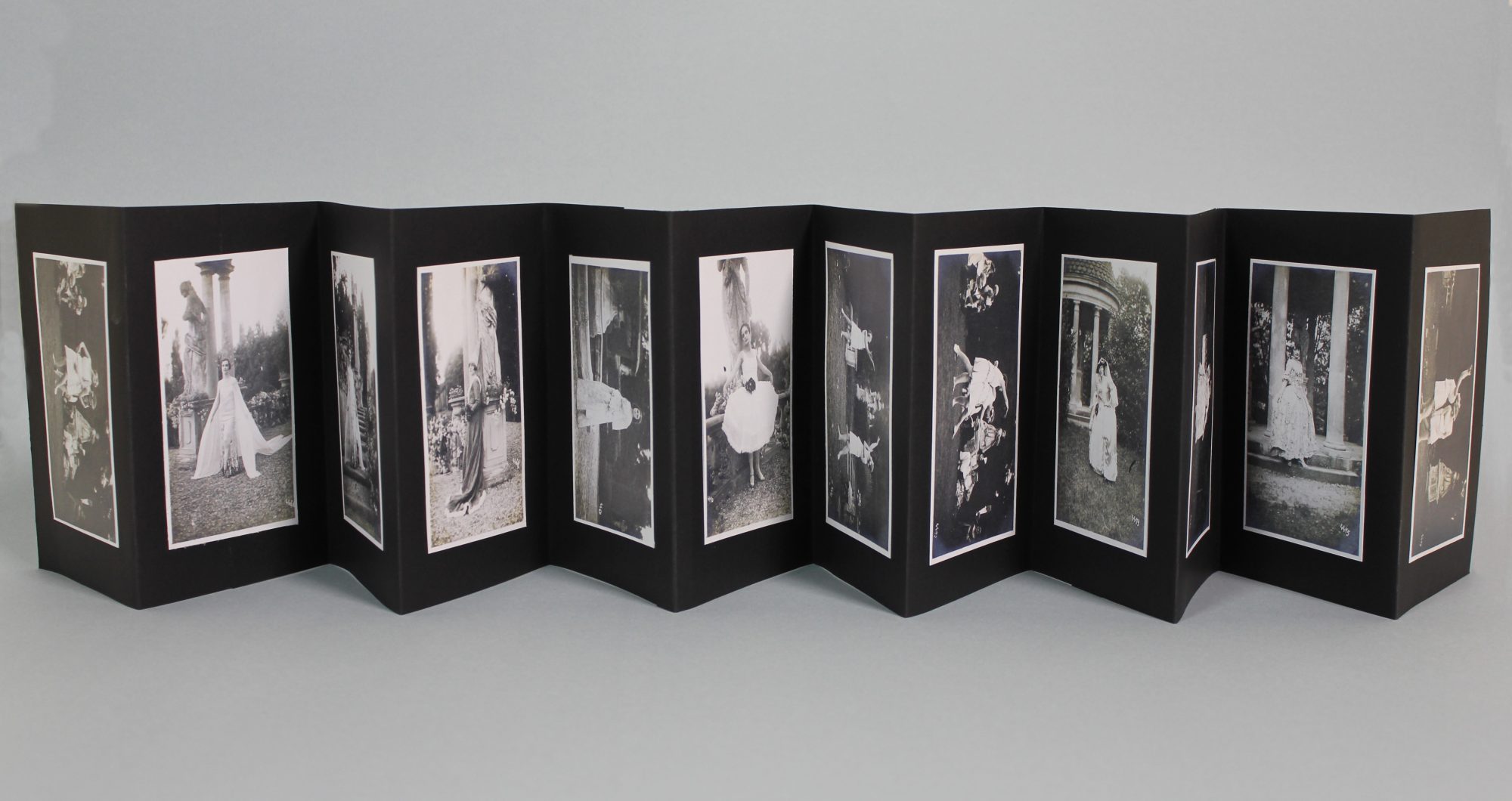
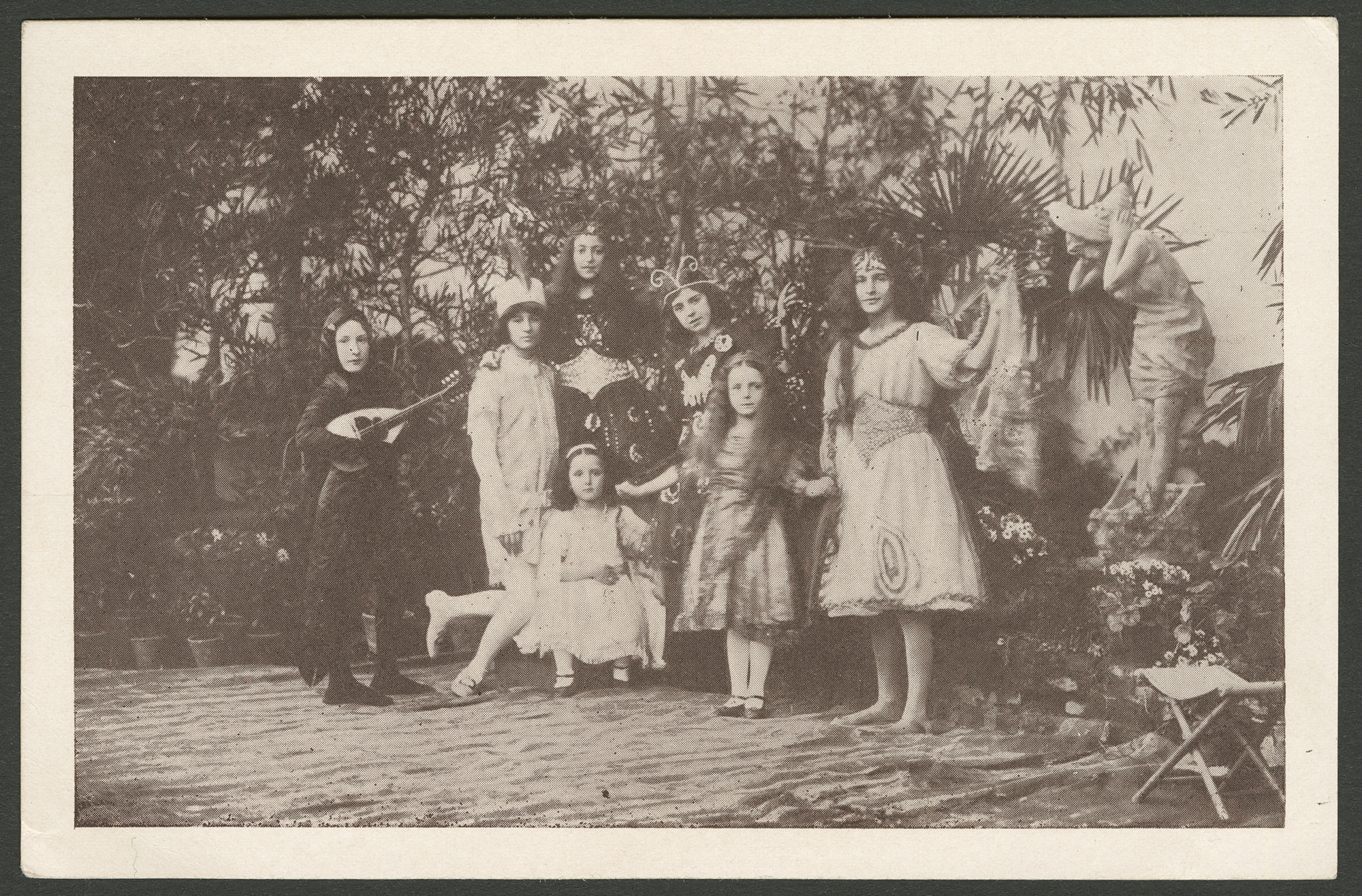
Isadora’s dance aesthetic left a significant legacy in Florence, and was on full display at La Pietra’s Teatrino di Verzura on the evening of 28 May 1927. That night, the Fantasia Notturna performance featured pairs of lovers from different historical periods dancing to live orchestra music. Among the performers were the Russian sisters Nadia and Marussia Yartseff, who were dressed in classical, Greek-inspired costumes. They imitated Isadora not only with their attire, but also with their movements, as can be seen in photographs of the performance conserved at Villa La Pietra today.
— Celia Donoso Clemente